
According to the Department of Public Health, the monkeypox virus, or MPX, has arrived in Delaware.
The state agency announced Tuesday that a 41-year-old man from New Castle County tested positive for MPX in test results obtained this week. According to a DPH news release, this positive case is considered probable until the test is confirmed by the Centers for Disease Control and Prevention.
The DPH said the Delaware man did not report any travel or exposure to anyone who has MPX, but that he was likely exposed to the virus after close contact with someone in early July. The man is self-isolating and the DPH is working with him to identify any possible close contacts.
DPH is also working with CDC to confirm the process of treatment for this person.
“The Delaware Division of Public Health is prepared to respond to MPX cases,” said DPH interim director Dr. Rick Hong. “As we work to confirm our first case in the state, we encourage Delaware to stay in close contact with individuals who have a rash or flu-like symptoms. We will continue to monitor this situation closely.
According to CDC data, the first case of human monkeypox virus infection in Maryland was reported in mid-June, and the state currently has 22 cases. This data shows that 11 cases have been reported in New Jersey and 27 people have been infected in Pennsylvania.
Monkeypox in Maryland:First case of human monkeypox infection reported in Maryland
According to the CDC, more than 860 people have tested positive for the monkeypox virus in the United States as of Tuesday, but there have been no deaths in the country. The virus is rarely fatal.
What is monkeypox?
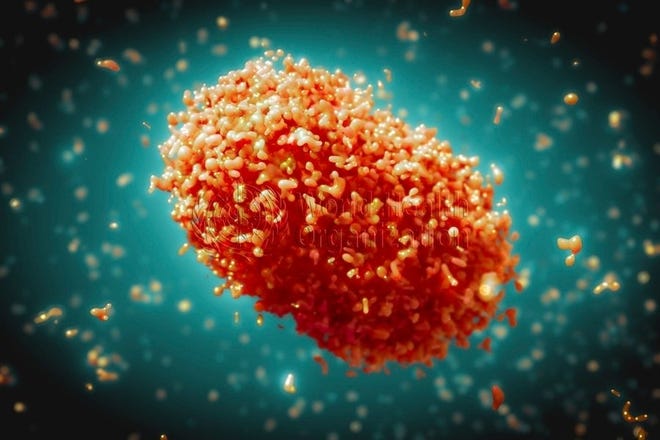
MPX is a rare disease caused by infection with the monkeypox virus, the DPH said.
The virus can make you sick, causing a rash that may look like pimples or blisters, often with a flu-like illness at first. People can get the virus from an animal, human, or material contaminated with the virus. The virus enters the body through broken skin (even if not visible), the respiratory tract, or through mucous membranes in the eyes, nose, or mouth.
Monkeypox:US will issue at least 1.6 million vaccines to fight monkeypox by year’s end, officials say
According to public health officials, the overall risk of MPX is generally low due to close intimate contact. Nevertheless, the virus can spread in the following ways:
- Direct contact with infectious rash, scabs, or body fluids
- Respiratory secretions during prolonged, face-to-face contact, or during intimate physical contact, such as kissing, hugging, or sex
- touching objects (such as clothing or linens) that previously touched an infectious rash or body fluids
- Pregnant people can spread the virus to their fetus through the placenta.
- It is also possible for people to get MPX from infected animals, either by scratching or biting by the animal or by preparing or eating meat or by using products from an infected animal.
The incubation period of illness – or the time from infection to symptoms – is usually seven to 14 days, but it can last up to 21 days. People are usually ill for two to four weeks, and the disease is rarely fatal.
People who do not have symptoms cannot spread the virus to others.
What are the signs and symptoms?
Public health officials said the symptoms of MPX are similar to those of smallpox but mild. Symptoms usually begin within three weeks of exposure to the virus.
Symptoms:‘Bursts of sharp jabbing pain’: what it’s like to have monkeypox – and the fight against stigma
Most people who contract MPX will develop a rash, and some will already develop flu-like symptoms. Flu-like symptoms may include fever, headache, muscle aches and back pain, sore throat, cough, swollen lymph nodes, chills or tiredness.
If someone has flu-like symptoms, they will usually develop a rash one to four days later.
If you suspect that you may be experiencing any of the symptoms associated with MPX, the DPH advises people to:
- Contact their health care provider and mention their concerns
- Isolate itself until all sores have resolved, the scab has fallen off, and a new layer of intact skin has formed
- Avoid being intimate with others
- List their close and intimate contacts in the last 21 days
Is there a cure for monkeypox?
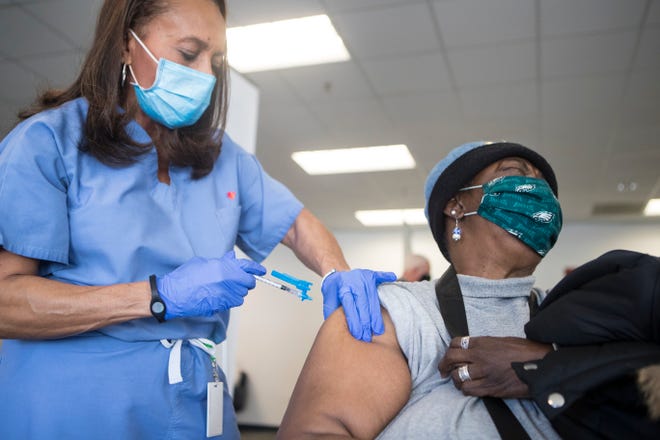
There is no specific treatment for monkeypox virus infection, the DPH said in the news release. Instead, the smallpox vaccine, antivirals, and vaccinia immune globulin (VIG) may be used.
The CDC recommends vaccination for people who have been diagnosed with or exposed to MPX and those who are at high risk of exposure to the virus, including:
- People identified as contacts of someone with MPX
- People who know that one of their sexual partners has been diagnosed with MPX in the past 2 weeks
- People who have had multiple sex partners in the past 2 weeks in an area with known MPX
- people whose jobs may expose them to MPX such as laboratory and certain health care or public health workers
Comments:How to get the monkeypox vaccine in the US. Who should get one?
how to prevent mpx infection
Delaware public health officials have the following recommendations for avoiding infection:
- Avoid close skin-to-skin contact with people who have a rash that looks like MPX.
- Do not touch the rash or scab of a person with MPX.
- Do not kiss, hug, hug, or have sex with someone who has MPX.
- Do not share eating utensils or cups with a person who has MPX.
- Do not handle or touch the bedding, towels, or clothing of a person with MPX.
- Wash your hands frequently with soap and water or use an alcohol-based hand sanitizer.
To learn more, visit https://dhss.delaware.gov/dph/epi/emerginginfectiousdiseases.html or call DPH’s Office of Infectious Disease Epidemiology, 24/7 emergency contact number 888-295-5156.
Emily Little covers Sussex County from inland towns to beaches. Got a story he should tell? Contact him at elytle@delmarvanow.com or 302-332-0370. Follow him on Twitter at @emily3lytle.